BeijingArchitecture
Although I grew up in Beijing and embraced its rich traditions, I did not fully recognize the depth of its complex history, culture, and art as a young child. Later, the momentum of a busy life took me away from the magnificent and exquisite architecture of the ancient capital.
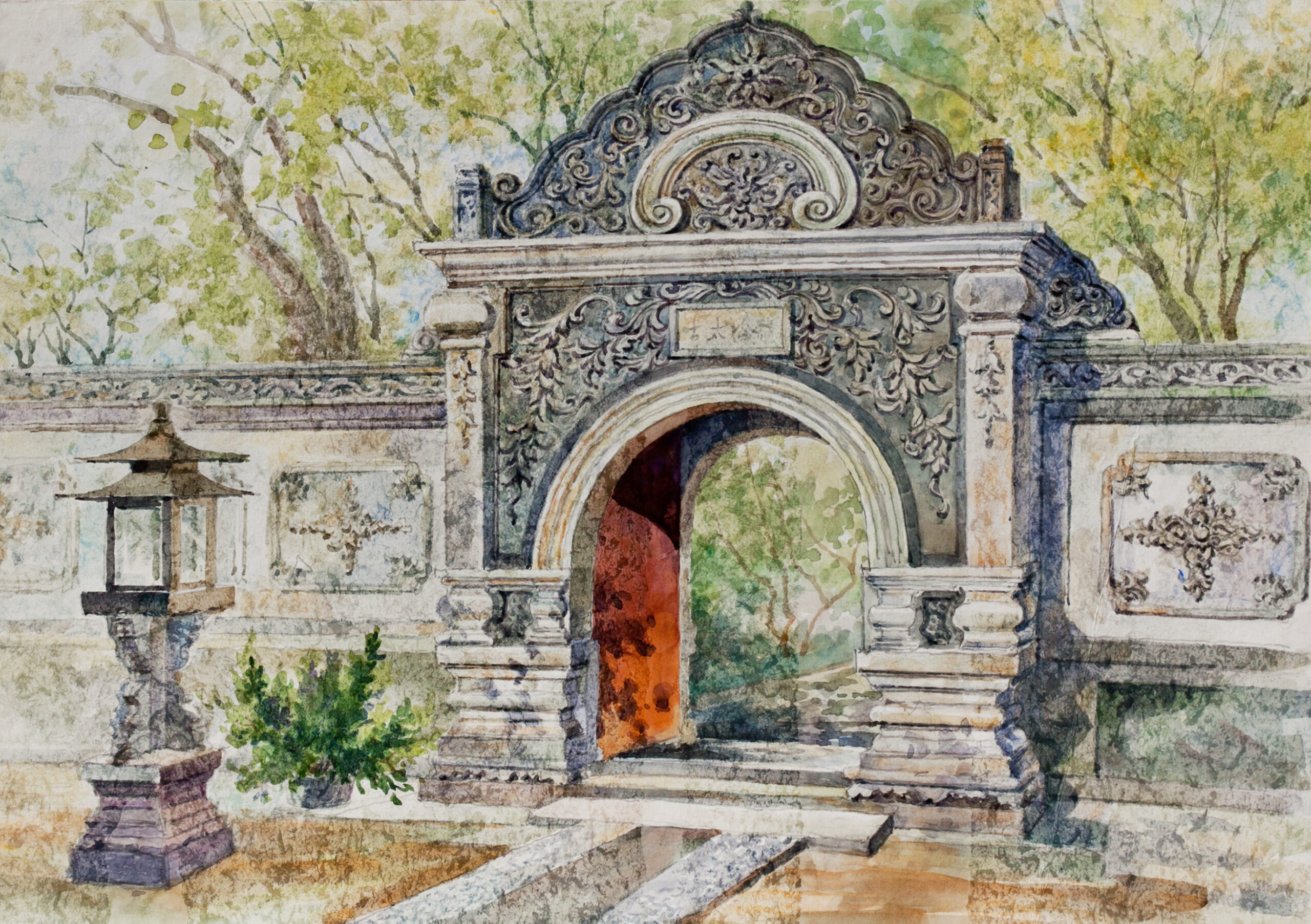
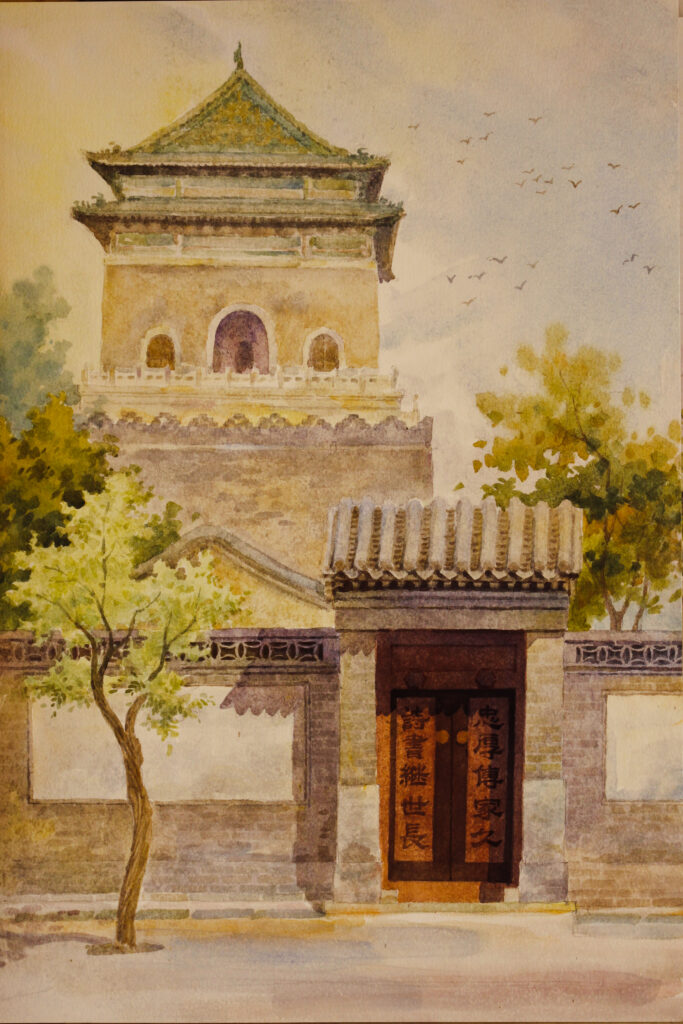
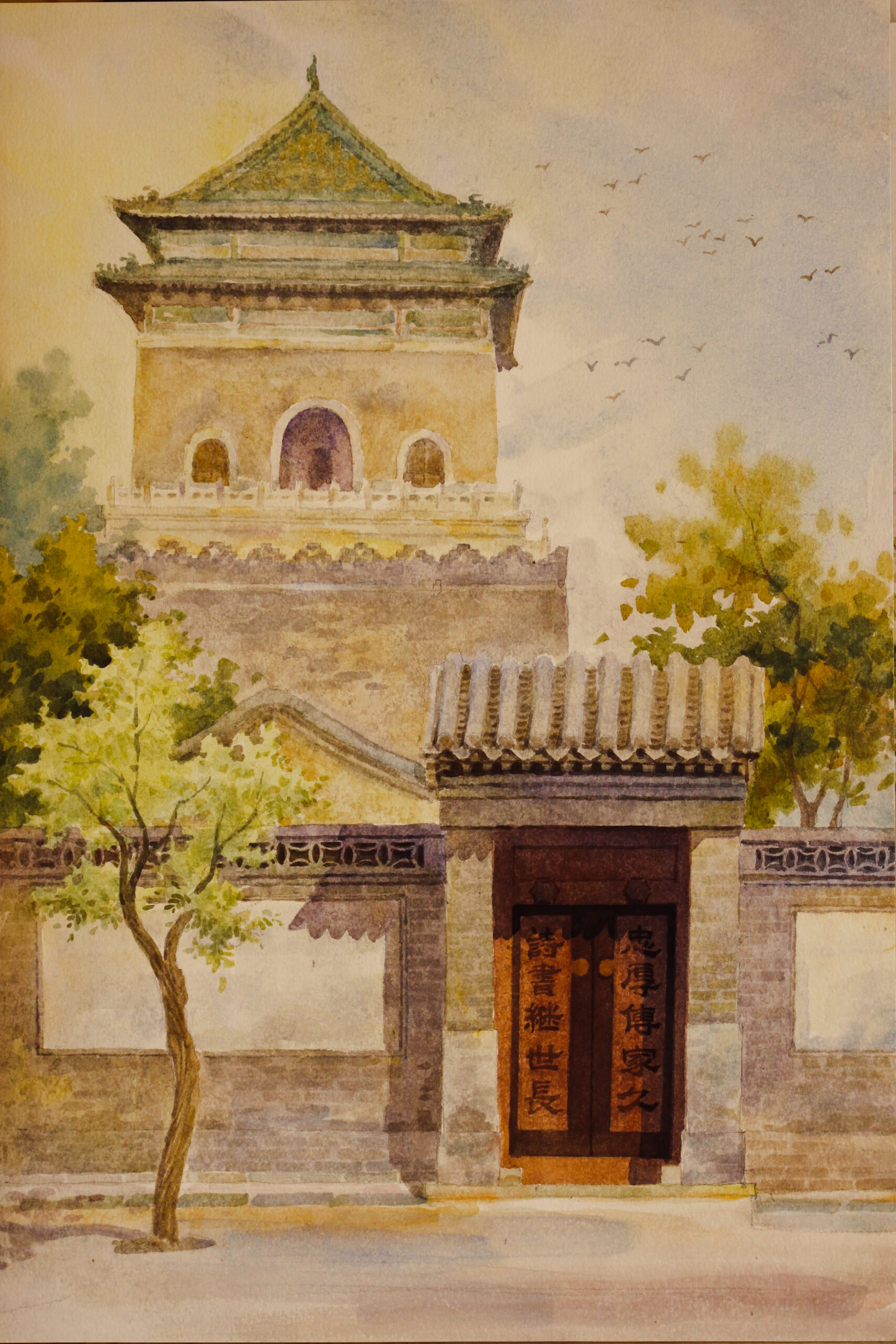
My current artistic practice is a journey of return. Through painting, I seek to document and beautify the Beijing traditional residential architecture that formed the backdrop of my youth. With the ever-increasing pace of urbanization, the old city gates, walls, hutongs, and residential courtyards—vessels of immense historical and artistic value—are vanishing from our sight. I use my brush to capture these fading echoes, ensuring they are not lost to time.
The grandiose, highly ordered layout of imperial Beijing and the vernacular fabric of a city built upon a thousand years of history are wonders of human culture. The hutongs are a living museum; in my work, I treat every brick and alleyway as a clue to an enduring way of life.
My paintings focus particularly on the Beijing quadrangle courtyards, the most elaborate examples of Chinese vernacular dwelling. I am drawn to their ethnological character and variations of style, translating their delicate but powerful decorative elements into visual narratives. While Beijing’s royal palaces and temples represent a pinnacle of Oriental architecture, I believe the totality of the city’s soul is found in the intensely layered occupancy of its geometric spaces.
By documenting these structures, I aim to do more than replicate a facade; I strive to honour the “soul of the city,” preserving the dignity and beauty of a heritage that continues to shape our identity.
Red Lotus Lingers in Dreams
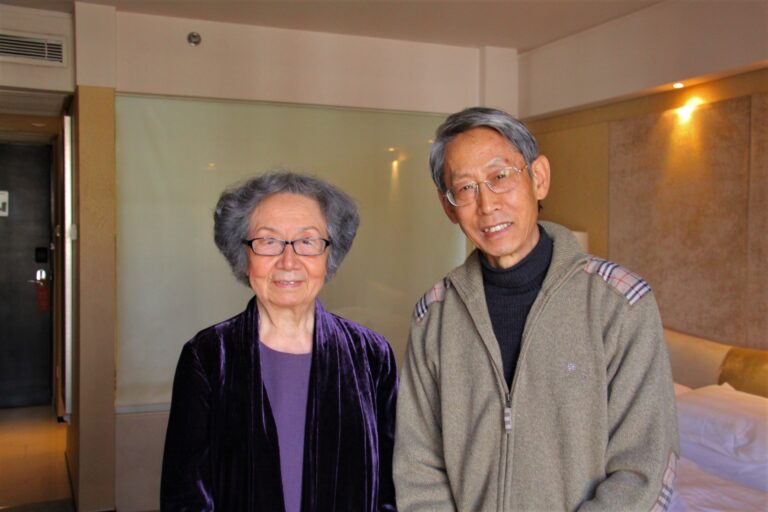
In Vancouver in 2011, at the invitation of a calligrapher, I had the privilege of dining with Professor Florence Yeh Chia-ying, a renowned scholar of Chinese poetry and a celebrated female lyricist. Professor Yeh was 87 years old at the time, a tenured professor in University of British Columbia, Canada, and a visiting professor at numerous universities in the United States, Japan, Singapore, Malaysia, Hong Kong, and mainland China, with countless students. Upon learning that I was painting traditional Beijing residences, she asked if I was interested in her ancestral home in Beijing, mentioning that the courtyard had been demolished and only some old photographs were available for reference.
I gladly accepted. After returning to Beijing, I drafted an aerial view of Professor Yeh’s ancestral home and repeatedly sought her feedback in person during her academic trips back to China. During this time, I read her oral biography, Red Lotus Lingers in Dreams, based on interviews with scholars, gaining a profound understanding of the unforgettable significance of her ancestral home in Chayuan Hutong, Beijing. After completing the painting, I kept a copy and sent the original to Professor Yeh.
In 2014, on the occasion of Professor Yeh’s 90th birthday, a Taiwanese publisher republished Red Lotus Lingers in Dreams: Ye Jiaying on Poetry and Memories (《红蕖留梦 – 叶嘉莹谈诗忆往》), and Professor Yeh used my artwork as the cover of the book.
Weizhi Zhang 2026